THIS IS MY FATHER
My father was a soldier in World War l. He and his younger brother joined up as Light Horsemen and went to Egypt in 1915 to finish their training. They did not wear emu feathers on their hats like most of the regiments. They were the 6th Light Horse Regiment and the only ones to wear a band of wallaby fur round their hats. A book was written about them and their exploits called “Under Furred Hats”.
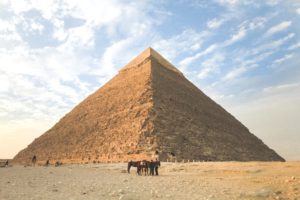
When they finished training in the sands around the Pyramids, they left their horses and went to Gallipoli as Infantrymen. They fought in the most miserable and terrible conditions, not only against the Turkish soldiers but also the unhealthy conditions caused by flies and poor food. They finally left those shores and had decisions to make when they arrived back in Egypt. The two brothers decided to transfer to the Artillery. This meant a different type of training, using the Howitzers and larger guns, again out in the desert. After several months they were put on trains and taken to Alexandria where ships awaited to take them across the Mediterranean to Marseilles. From Marseilles they boarded more trains and were transported north, way up past Paris to an area around Hazebrouck in north-western France, close to the Belgian border.
Within two weeks they were in the front line and in their first battle on the Western Front. This was part of the Battle of the Somme which was waged for many months with huge loss of life and many wounded. This skirmish became known as the Battle of Fromelles. It was also known for the greatest loss of life by Australian soldiers in one day. They lost 5533 soldiers killed, wounded or taken prisoner.
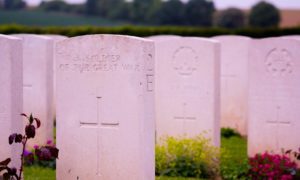
Even though it was a disaster great feats of courage were carried out in attempts to bring the wounded back to the shelter of the trenches. Today this is commemorated by a famous sculpture of a soldier carrying his wounded mate to safety. This Australian Division lost so many men in this hopeless battle that it was unable to function for several months while replacements were brought in to bring the numbers back to fighting strength. Whilst this was going on, my father, being an Artilleryman, was left with his Brigade to continue to harass the enemy and keep watch to prevent any break-throughs, and then they were transferred to the area of the next important Battle. Pozieres!